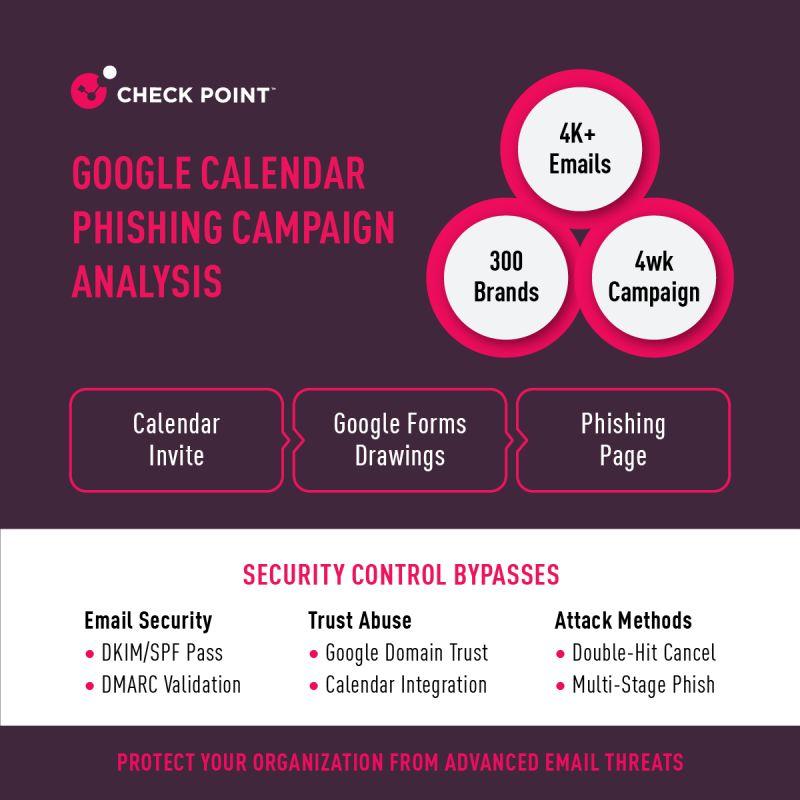
Material Security reported that the campaign had been active since mid-August 2026 and targeted corporate Google users. Invitations used ordinary business pretexts such as voicemail notifications, RFP/RFI requests, court summonses and missed-payment notices. Some invites were sent by BCC and often originated from organisations with which recipients had previously corresponded. The visible links commonly used Google’s own URL redirector, while other waves used share.google, Google Drive links or, in one variant, Intuit transaction-notification links.
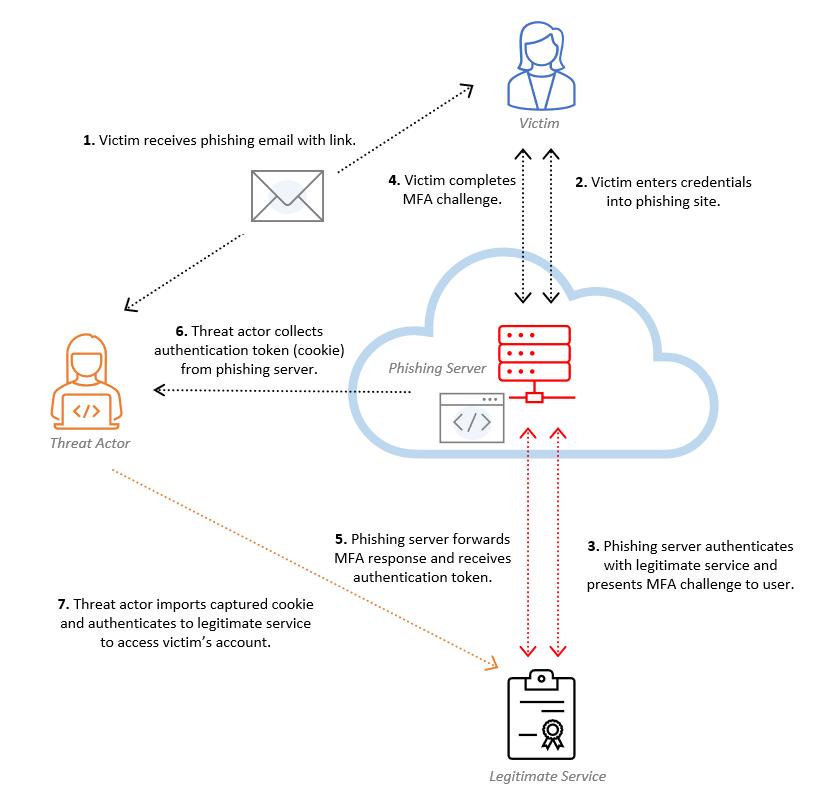
The attacker placed a live reverse proxy between the victim and the genuine Google sign-in service. The victim interacted with a real Google login and completed real MFA prompts, while the proxy relayed the exchanges to Google in real time. This enabled the operator to obtain an authenticated session cookie/token. The result was session hijacking: the attacker could potentially access Google Workspace resources available to the victim without repeatedly asking for the password or MFA challenge.
Material’s October 28 Operation CloudFire update reported 68,676 campaign messages blocked, 2,112 unique malicious URLs analysed, 897 unique domains taken down, and 8,570 compromised sender addresses across 6,354 root domains during the reported measurement period. These figures came from participating customers and were stated to be lower than the likely total campaign volume.